Can you train your dog by playing an RPG?
Why do we train dogs? To make our lives easier? To enrich theirs? To impress others? To challenge ourselves? To give them more freedom? Stimulate their brains? Ours?
I am, for lack of a better label, a dog trainer.
And if you ask me, while all the reasons above may be true, I mostly do the thing we call dog training because it’s fun. For both me and my canine companion.
I call it playing with my dogs. Yet most of the people who seek my advice come to me because they need to solve a problem–a training problem, a behavior problem, a dog problem.
Now solving a problem isn’t what I’d say most people consider fun. We describe problems with phrases like “this has to stop” and look for solutions–to the dog problem.
We might even seek help from a professional dog problem solver, who might diagnose your problem and tell you this is a recall problem, or a reactivity problem, or a cat chasing problem.
We make a plan, get organized and put solving the dog problem on our list of things we have to do.
Is it starting to sound like fun yet? I bet you can’t wait to get home and start dog problem solving.
Thing is, I know most of us don’t think of our dogs as problems. We think of them as family members, friends, companions. And the problem often gets in the way of that.
We live with dogs because we seek joy, connection, relationship, not because we find pleasure in changing their behavior, problem or not.
You might even say we live with dogs to get away from our human problems.
Dogs, these unique beings, mysterious yet familiar, share our living room while at the same time inhabiting a world utterly alien to our own.
And maybe, if you could ask them, they might tell you about their people problems.
Did you see what I did there? I changed the language, flipped the script of the narrative we’re used to. In that one sentence I (hopefully) made you look at your dog training problem from a different perspective.
See, I believe the words we use to describe our interactions have an impact on our relationships.
The stories we tell ourselves about us and our dogs matter for the path of our journey together.
And that is the magic of role-playing games. You get to write your own story, create your own narrative, join a party of fellow adventurers from all walks of your imagination and become unlikely heroes.
You might be playing with another character from a different, yet equally made up, cultural or social background, which can help you practice empathy and understand different viewpoints in real life.
As you get to know each other, exploring the realms, playing together to overcome challenges, you improve your communication skills, learn to trust each other and rely on one another’s strengths, reinforcing your relationships.
When players collaborate and share experiences, they form bonds, which can positively influence their relationships and increase teamwork outside of the game setting.
In RPGs, communication is key. As a player, you need to learn how to clearly convey your intentions and cooperate with others.
The conversations and interactions in the fantasy environment can even be influential enough to boost your confidence and improve communication skills in real-life situations.
Truly engaging in a shared narrative of adventure is a powerful creative experience.
Players who travel the realms together, explore far flung corners of the map, solve puzzles and go on side quests until their party of heroes finally gets to face off with the boss battle form lasting memories and connections that reach far beyond this imaginary world.
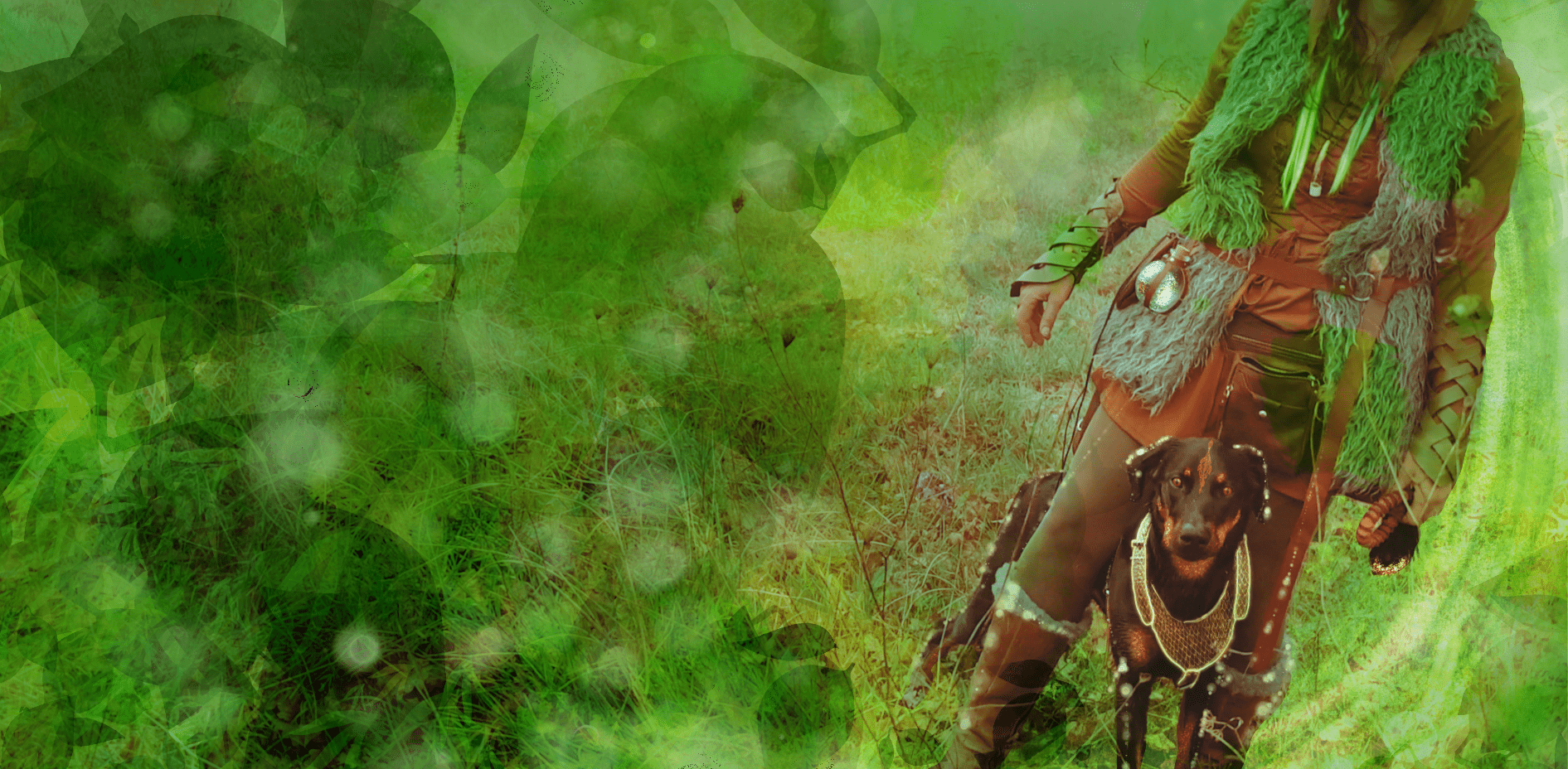
And that’s exactly what inspired the relationship-powered games approach of Doggo or Dragon.
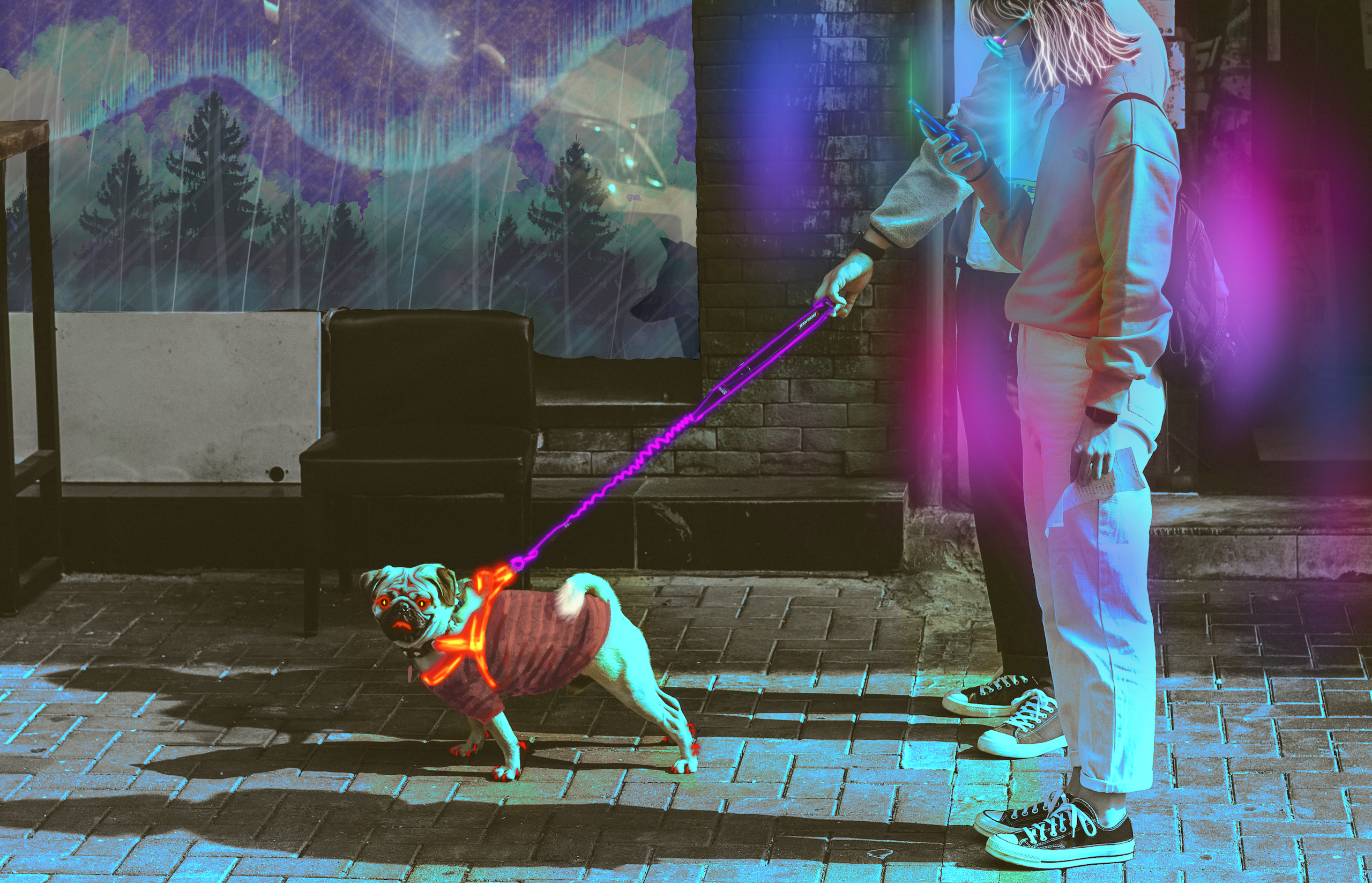
I hope to embolden you to use your imagination to reframe the way you look at sharing your life journey with your canine companion.
Forget calling it dog training. Let’s go questing!